

Michael Jackson. Bob Marley. Prince. John Lennon. These iconic artists have passed on and left behind a legacy, but they’re still making money? Music royalties sure are powerful.
Now, you may not be as big of a name as these artists (not yet anyway!), but you’re still wondering how you can make money from music, like these guys did. With royalties, you make money directly from your streaming and performances. Royalties also connect to publishing, copyright ownership, distributors, and record labels, making them vital assets to your music career.
This guide breaks down music royalties to help you understand how money moves through the industry. Keep reading to find out how you can protect your music, collect what you are owed, and avoid getting burned!
What Are Music Royalties?
Put simply, music royalties are payments made to the person or company that holds a copyright on that music. When that copyright is used (via streams on music platforms, TV show features, and downloads), the owner receives payment.
How Artists Actually Make Money From Music
In addition to merchandise, licensing deals, and performances, music artists earn money from royalties. After an artist creates music, they typically sign with a record label, distributor, and a PRO (Performing Rights Organization) to get their music onto various platforms and stages. Many artists also do this themselves.
Either way, once that happens, several kinds of music royalties, including streaming, performance, mechanical, and licensing (more on those later!), generate revenue. This revenue is then transferred back to the distributor or record label (plus the songwriter if you have one), and the artists receive the money they are due after those parties are paid.
Why Music Royalties Matter for Independent Artists
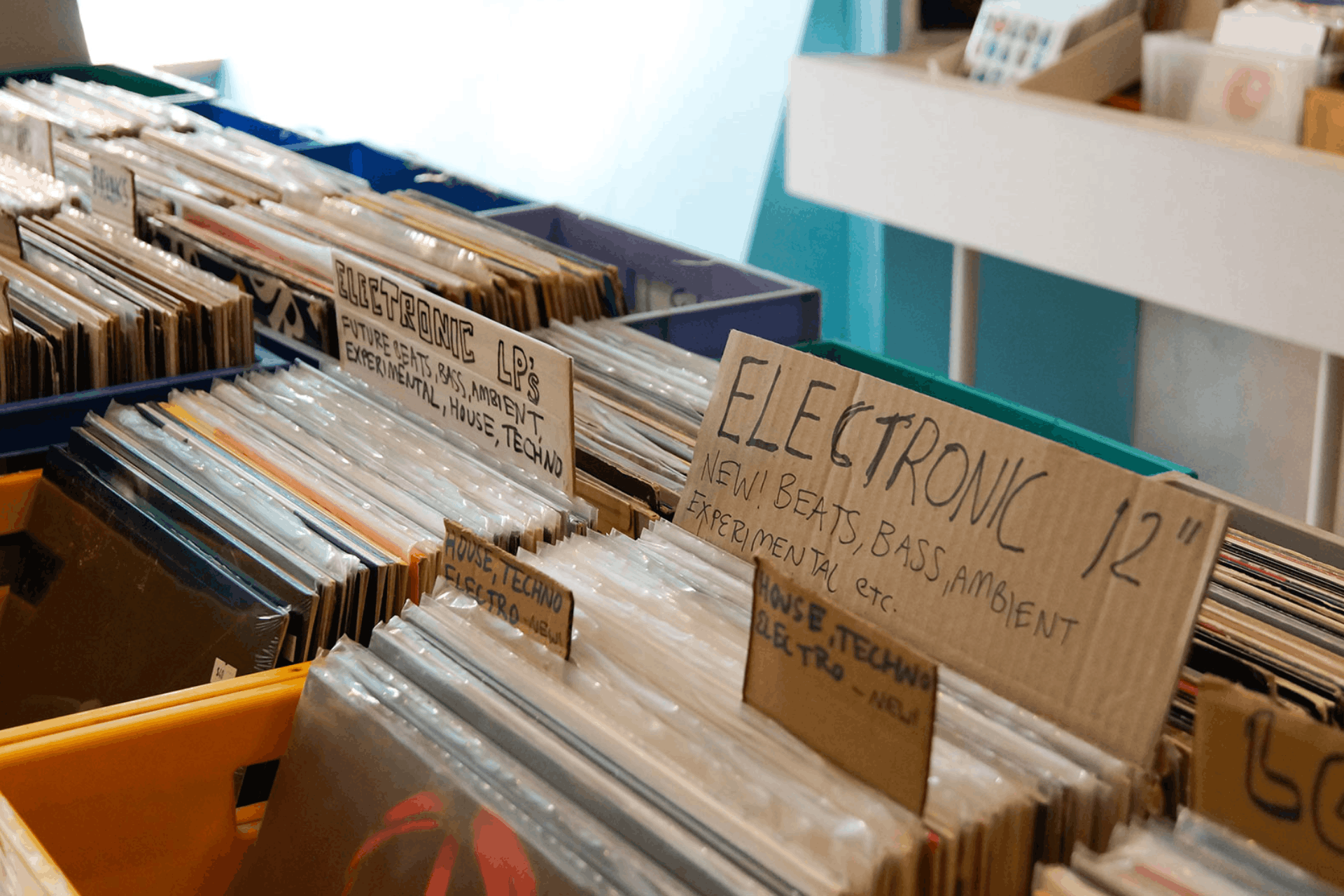 Luckily for independent artists, you hold both the copyright and the master of your music, meaning you can take full advantage of your self-written, self-produced, and self-promoted songs! Plus, if you choose to work with a distributor, you can be choosy about the one you pick based on the royalty rate they request.
Other than your distributor, you share the revenue generated by your royalties with no one but your team. They may not start as a large sum of revenue, but royalties grow along with your audience, making them a steady backbone of your income.
The Main Types of Music Royalties
We know royalties can seem a bit confusing, but these 4 music royalty categories are the ones to keep your eye on.
Streaming Royalties
Streaming royalties are payments made by companies like Spotify, Apple Music, Amazon Music, and Tidal to artists like you whose music is on their platforms.
Performance Royalties
Money from any public performance, such as gigs, TV performances, streams in restaurants or bars, and radio broadcasts, is what makes up performance royalties.
Mechanical Royalties
Mechanical royalties cover your physical production of music, like vinyl records and CDs, and sometimes even digital purchases.
Sync Licensing Royalties
Sync licenses give producers and other companies the right to use your music in visual media projects (commercials, TV shows, movies). The royalties for these licenses are paid on a case-by-case basis.
How Streaming Royalties Actually Work
Rather than providing artists with a fixed rate per stream, streaming companies like Spotify and Apple Music collect revenue from ads, subscriptions, and streams. They then compile a portion of this money into a “royalty pool”. From there, the pool is split among every artist whose music was streamed that month. So, if you have more streams, you receive a greater percentage of the pool!
Who Pays Music Royalties?
The amount of money you get from royalties depends on your contracts and partners, but no matter the kind of royalty, some portion of it will always go to you.
Spotify and Streaming Platforms
Streaming platforms pay an artist’s distributor, who then pays the artist, or an artist directly (if they’re independent), based on the number of streams their music has.
Performing Rights Organizations (PROs)
PROs collect income from broadcasting services and then make payments to a song’s publisher. For independent artists, this is extremely helpful!
Publishers and Labels
Publishers and labels take royalties from PROs and streaming platforms to pay them to songwriters and artists like you.
Distributors
Distributors collect royalties from the platforms and sources they send your music to, take their cut, and then send you the portion you are due.
Publishing Royalties vs Master Royalties
The copyright for each song is split into two parties: the composition and the audio file. Publishing royalties pay songwriters for their compositions, and master royalties are paid to the artist’s record label or directly to the artist for the sound recording. If you’re an independent artist, you own both of these copyrights!
How to Collect Your Music Royalties
 With all of their moving parts, it can seem overwhelming to collect each one of your royalties, but these steps break it down simply.
Step #1: Register Your Songs With a PRO
Collecting your royalties starts with registering your songs with a PRO, such as ASCAP or BMI.
Step #2: Register Your Publishing Correctly
Publish your songs with the exact song title, names of the writers, and percentage of the song that each writer owns. (If you’re an independent artist, you are both the songwriter and the publisher. Lucky you!)
Step #3: Use a Distributor That Tracks Royalties
Next, find a distributor to upload your audio files to streaming services like Apple Music, Tidal, Spotify, and Amazon Music.
Step #4: Keep Ownership and Split Agreements Organized
Your splits determine how much of your songs’ revenue is given to the writer, producer, and rights holder. Keeping track of these keeps track of where your money is coming from and the royalties you’re owed!
Common Royalty Mistakes Artists Make
The music industry is no stranger to stories of artists being burned. Preventing these common mistakes keeps you, and your music, safe.
Not Registering Songs
Skipping the registration step and going straight to a distributor means you only collect money for the master of your audio files, rather than both the master and the composition.
Ignoring Publishing Royalties
Streaming royalties are important no doubt, but publishing royalties collect your money from TV, Movies, commercials, and other sources of income. Ignoring these would just be leaving money on the table.
Trusting Bad Contracts
The fine print of some contracts gives away your copyright permanently, or makes you pay large sums to get it back. Read and sign carefully!
Missing Metadata and Split Information
Metadata is what connects your songs to the money they make. Splits decide who gets what percent of your revenue. Inaccurate names or codes can leave streams untracked, and loose split agreements can cause digital platforms to freeze money.
How Much Do Artists Actually Make Per Stream?
In all reality, there isn’t a fixed rate per stream, as we’ve explained above. But! With that being said, a starting point for streams is usually around $0.003 to $0.005 per stream. It probably doesn’t seem like much, but your streams grow alongside your fanbase, so your revenue grows alongside your career!
Music Royalties in the Streaming Era
Music streaming, which has been on the rise since 2020, has accounted for 83% of the music industry’s revenue, making streaming royalties more important than ever for you emerging artists. Streaming services usually take about 30% of the revenue they generate and distribute the remaining 70% to artists like you!
Music Royalties: Frequently Asked Questions
What are music royalties in simple terms?
Music royalties are payments made to the person or persons who hold the copyright of your music.
How do artists collect royalties?
Artists collect royalties by registering their songs with the proper organizations that track how and when their music is played.
Who pays music royalties?
Generally, your publisher or distributor will pay you your royalties based on your agreements.
Do independent artists earn royalties?
Yes! With proper registration and connections, independent artists earn royalties through distributors and publishers.
What are the types of music royalties?
The main types of music royalties are streaming, publishing/performance, mechanical, and sync licensing royalties.
Do artists get paid per stream?
Streaming royalties are not on a per-stream rate. Instead, artists receive money from the general royalty pool compiled by these services.
How much do artists usually receive from royalties?
Artists usually receive about 10% to 25% of net proceeds. For independent artists, usually 100% is received!
Do artists receive royalties for life?
Yes! However, the specifics of how much of your royalties you continue to receive depend on your specific agreements.
Submit Your Album Demo to Hardstop Records!
 At Hardstop Records, we’re a record label founded by artists, for artists. We know the business, and we thrive off helping new artists find their way into the scene. Submit your demo to Hardstop Records (the best new label in Chicago!) and kick off your career!