
What Is a Music Label? A No BS Guide for Artists
You’ve thought over all the details, the writing, the recording, the performing. Now, you’re looking to bring your craft to the industry, but how? You’ve heard famous and infamous stories about music labels, and you’re left wondering what they actually do for budding artists.
Helpful music labels still exist. Plus, it’s your music. The creative control, community, and style remain up to you. Promotion, distribution, and career growth don’t have to be difficult or done on your own.
This guide walks you through the industry, answering the question “What is a music label? And how to know when to work with one without sacrificing your sound.
What Is a Music Label?
A music label is a company that manages and promotes the music of the artists they sign. They work to shine a light on up-and-coming artists and promote the names of bands you already know and love. In the simplest terms, a music label is like a home for musicians, creating easier access to gigs and financing albums for artists of all sizes.
What Does a Music Label Actually Do?
A music label takes care of the industry-side logistics that many artists can’t (Or just don’t want to) deal with by themselves. So you can stay focused on creating your sound, they handle both the legal and financial aspects of making music. This includes copywriting songs, promoting new music and live events, and creating industry connections that keep you in the scene.
How Music Labels Make Money
Music labels make money when a signed artist makes money. More specifically, the label provides its artists with a specific amount of money to create an album. Once the album is produced, the company is reimbursed and paid through the album’s sales.
In the digital age, this looks a bit different than when physical records were the only way of selling music. Now, in addition to physical music sales, a label receives a portion of the streaming royalties, merchandise, and event promotion they help create for the artist.
3 Types of Music Labels
Every label helps with promotion, production, and distribution. The main difference between labels is the resources and attitudes.
Type #1: Major Labels
Major labels are large companies with multiple teams to cover marketing, PR, and finance. These are often the most sought-after music deals, as they provide big-ticket resources to artists and reach large audiences. But! With a large reputation, they are less likely to sign artists with a more unusual sound.
Type #2: Independent Labels
Focused on branding and the uniqueness of different music artists, independent labels are known for their creative ways to promote your music online, on the radio, and in clubs. Perfect for indie artists, these labels reach and expand the core of your audience.
Type #3: DIY and Artist-Run Labels
Growing in popularity, DIY labels give you complete freedom over your music rights and recordings. That being said, upfront costs are typically a hefty price tag, and promotion moves at a slower speed. Regardless, these labels give you an unmatched opportunity to connect to your audience and complete control over the promotion of your work.
What a Music Label Does for Artists
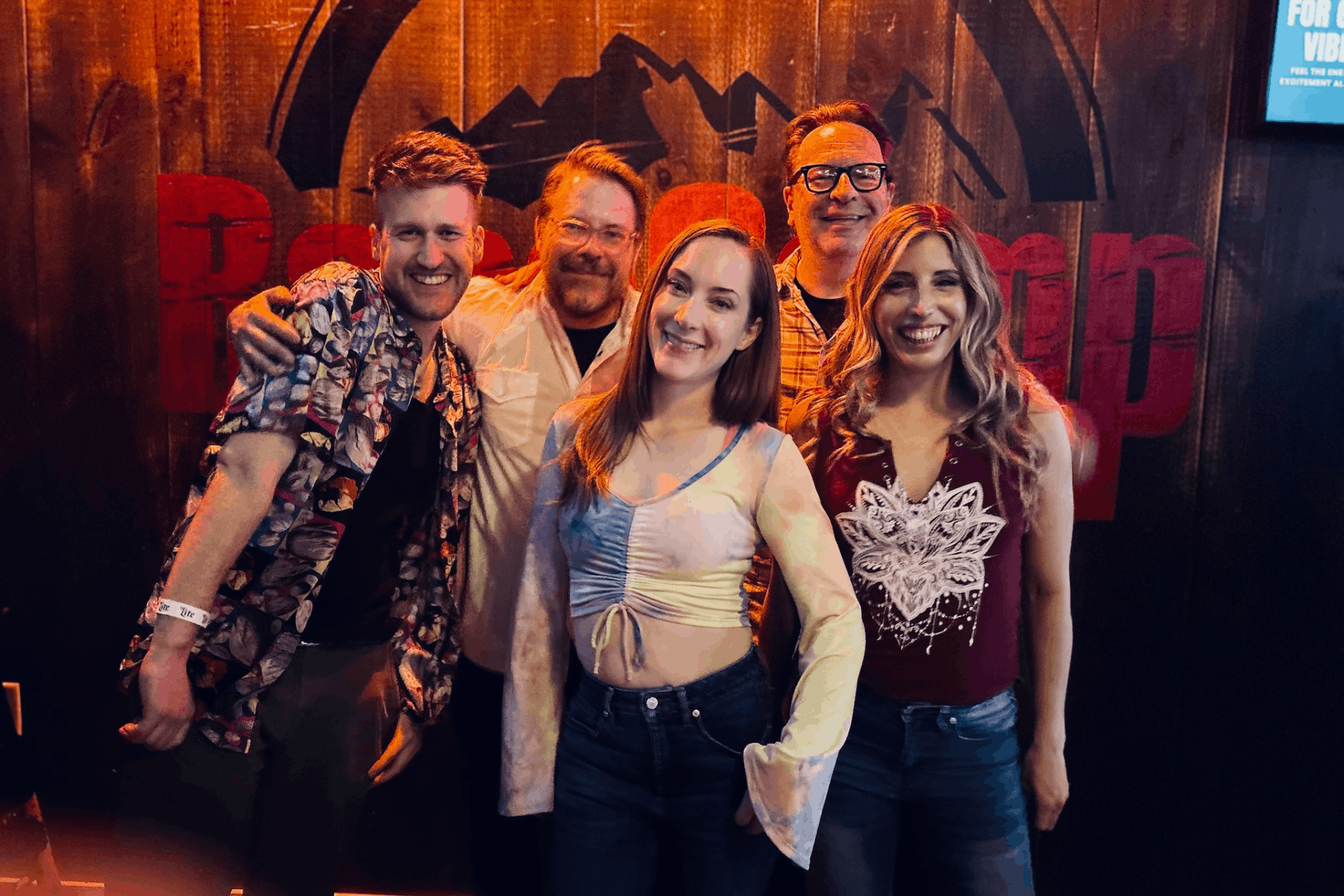 When managing the creative, finances, and promotion of your music, a music label can provide the resources and connections to make it that much easier.
Recording and Production Support
Music labels make sure your music matches your vision and the label’s brand. They give you access to high-quality recordings, through studio access or through finances, to give your audience music that sounds superior.
Marketing and Promotion
To reach your audience, music labels monitor all the stats on streaming and fan behavior to create the right marketing. These often look like social media campaigns, in-person promos, and PR campaigns that build your music’s brand.
Distribution and Release Strategy
From reaching all the major music platforms to physical music releases, music labels help you develop a release plan that matches your music and connects with your audience.
Booking and Industry Connections
Music labels know the industry, local and wide-scale. They provide you with connections and often take care of booking live events that suit your style, promoting said gigs, managing security, ticketing, and all of the little things to make the show run smoothly.
Pros and Cons of Signing to a Music Label
Music labels are a great resource to boost artist recognition, but some musicians might find they want to be their own managers.
The Upside of Working with a Label
Most of all, working with a label helps increase an artist’s exposure. Especially for newer acts, working with a label can be crucial to getting your name out there.On top of this, music labels also take care of most, if not all, of the expenses for promotions, booking, and the time spent recording in the studio. Plus, labels will provide an advance payment for you to produce your next album.
The Downsides Artists Need to Know
The biggest downside of working with a label is a decrease in creative control. Most labels are dedicated to their own branding and want to make sure you represent them as they represent you. Another downside is a reduction in income, as the label takes a portion of your profits. That being said, many independent labels will work with a 50/50 split, so it comes down to finding a label that works for you.
When Should You Work with a Music Label?
If you have a demo you’re proud of and looking to break further into the industry, working with a music label (because they have built-in connections!) is a perfect opportunity to do so. Working with a label will help you build a long-term plan to introduce your music to the right audience.
On another note, if you’ve been around the scene, managing, making, and promoting your own music for a while, you might be seeing a lull in recognition. This is a perfect time to start working with a label. They can help you find what’s been holding you back and create an attack plan to get your name and your music back out there.
Common Myths About Music Labels
Music labels have always had a major stake in the music industry, and they have gained several misconceptions in the process.
The most common of these myths is that music labels are money-hungry corporations set on completely controlling their artists. While labels do have a heavy influence over artists, they view working with artists as collaboration over control. Plus, countless labels are actually passionate about finding new artists and promoting artistic growth.
Another main myth about music labels is that a record deal means guaranteed success. The connections and assets given by these companies definitely help, but it ultimately comes down to your perseverance, drive, and your creativity.
How to Tell If a Label Is Right for You
What are your values as an artist? What is your personal style? Your desired vibe? Beyond just meeting budget and connection needs, you want to make sure your label fits with what you and your music stand for. You’re going to be working with them on almost every aspect of your music, so it’s important that you actually click.
What Is a Music Label: Frequently Asked Questions
What is a music label in simple terms?
A music label is a company that funds and promotes the artists who sign deals with them. They are essentially a home for music artists.
Do you need a music label to succeed?
A music label is not the only way to succeed as a music artist. They definitely help speed up the process, but plenty of artists make it big without a label.
How do music labels pay artists?
With the label handling the big and little details promotion, they take a large cut of the revenue produced by an artist’s music. After all advances are paid, the artist receives the remaining percentage of that revenue.
What does a record deal actually include?
In a record deal, the artist gets an advance and studio time to create an album for the label to promote and sell within a specified amount of time. Some deals give over more creative control than others.
Submit Your Album Demo to Hardstop Records!
 At Hardstop Records, the best new indie record label in Chicago, we give you an environment to create music that matches your vision. We’re a record label founded by artists, for artists. Submit your album demo to Hardstop Records, where we boost your creativity.