What Does a Record Label Do for Artists Today?
Now more than ever, the world is at your fingertips. Spotify, YouTube, TikTok, and affordable recording gear are becoming tools independent artists use across the industry. With all this in your hands, it’s no wonder you’re asking, “What does a record label do for artists today?”
But! Even in the digital age, record labels can still work some magic for you, up-and-coming artists.
We know you can handle all of the writing, recording, and promotion of your music all on your own, but that doesn’t mean you have to. This article walks you through all the ins and outs of the modern-day record label. Keep reading to learn how they make the process easier (and offer a slew of extra benefits!).
Do Artists Even Need Record Labels Anymore?
It’s no secret: the music industry has changed. “Label guys” wearing fancy suits and carrying a bulleted list of can’ts and cans for your album are no longer required. You can record from your garage, basement, or bedroom, design your own cover art, and promote your music yourself.
However, that doesn’t mean you should write off record labels. Even in the digital age, a record label’s time, relationships, experience, outside perspective, and support are instrumental in turning your “collection of songs” into a full-fledged music career.
What Does a Record Label Do?
Put simply, a record label is a music company that manages and promotes the songs and performances of the artists it signs. They often pay artists to produce a set number of songs (as outlined in a contract) and earn money from performance and mechanical royalties, merch, and music sales.
5 Things a Record Label Does for Artists Today
As we’ve mentioned, record labels look different in our digital age. Here are five ways record labels are still helping artists today.
1. Helps Turn Good Music Into a Real Release
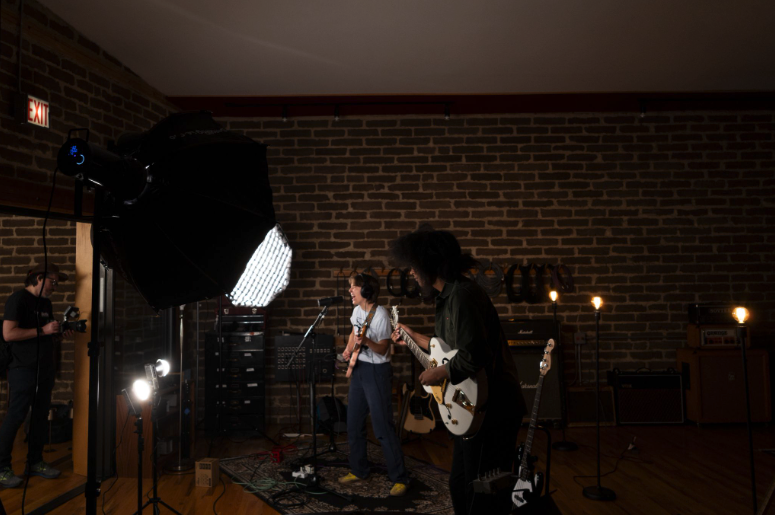
You might have songs stored and half-mixed on your devices, but a record label can provide the equipment, studios, producers, and sound engineers to deliver high-quality recordings you can be proud of.
2. Gets Your Music in Front of More People
What’s better than growing your audience? A record label brings built-in contacts and connections to help you play new venues and reach new ears (and handle tour management when you’re ready!).
3. Connects You With the Right People
Similarly, the right label can connect you with the right crew for flyers, album cover art, music videos, broadcast channels, socials, and more. In other words, they have the connections to keep you growing!
4. Helps You Make Smarter Career Decisions
“Label guys” may get a bad rep in the movies, but they’ve actually got the experience to guide you down the right path. They know the industry. They know the people. They know how to get you to where you want to be.
5. Gives You a Team So You Don’t Have to Do Everything Yourself
Just because you can do it all doesn’t mean you have to. The biggest thing a label can do for you is take away the unmanageable stress and pressure of the industry. Let them handle the financial and logistical aspects so you can focus on performing and connecting with your audience.
DIY vs. Record Label: What TikTok, YouTube, and AI Can’t Replace
 TikTok gives you distribution for content. AI might give you tools. Spotify gives you access to listeners. But! None of those things automatically give you a team that knows your music, advocates for you, makes introductions, spots your blind spots, helps plan releases, or sticks around when one post doesn’t go viral. That’s where the right record label still earns its place.
7 Tips for Choosing the Right Record Label
You know your music and your goals better than anyone else. When you want to send it into the world, you want the team that’s going to work for you.
1. Find a Label That Actually Gets Your Music
When you make art, you send a message. Make sure you find people who not only get your message, but appreciate it and want to work to spread it.
2. Look at How They Treat Their Current Artists
To understand how a label works, look at their current talent. Are they happy? Recording the music they want? Are they playing gigs often? Find out what a label does for others to see what it can do for you.
3. Ask Exactly What They’re Bringing to the Table
If you have questions for a label, ask! You want to make sure you know exactly what you’re getting into, fine print and all, to know that they’re the right fit.
4. Understand the Money Before You Sign Anything
When are you getting paid? How much do they expect? Does the math add up? Are they being wishy-washy? All of this logistical stuff, while it’s not fun, is crucial to making sure you and your bandmates aren’t getting screwed by a shady label.
5. Know Who Owns Your Music
There are several parts to your music: the master, the rights, the composition. When you’re looking for the right label, understand who owns what and for how long. This is key to knowing how much freedom you have with your music within your contract.
6. Pay Attention to Communication and Transparency
Before signing anything, pay attention to how a label communicates with you. If they go back on their word, take forever to respond, or give vague answers, that may be a sign they aren’t the right label for you.
7. Don’t Sign Just Because Someone Offered You a Deal
Quick deals can come with restrictions on your music. Take your time getting to know your prospective label candidates and deals. Just because something sounds great at first glance, or it’s the first deal you’ve been offered, doesn’t mean it’s right for you.
What Working With an Independent Label Looks Like
Independent labels are different from major labels. They are typically artist-first organizations focused on branding and the unique potential of up-and-coming artists. Independent labels are also known for contracts that give artists higher royalty percentages. Plus, they are usually smaller groups that sign fewer artists to build close relationships with their talent.
Why Hardstop Records Does Things Differently
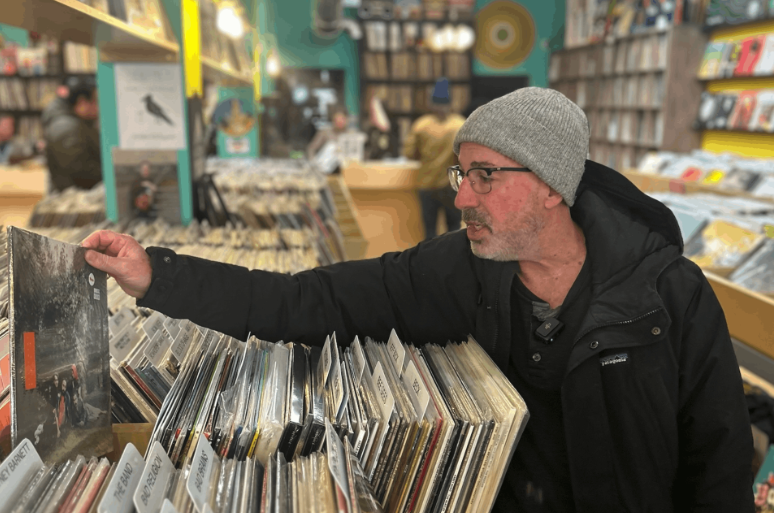 At Hardstop Records, we know you musicians playing in basements and bars deserve the same attention as those playing in ballparks. We dedicate ourselves to your music, your way. As an independent label, we know you don’t need a huge contract with the big business people, or a press agent, or even a marketing team. You just need someone in your corner ready with the experience and equipment to launch you into the industry.
Ready for Some People in Your Corner?
At Hardstop Records, Chicago’s best new indie record label, we’re a record label founded by artists, for artists. We are proud to provide you with the tips, tricks, and equipment you need to make it in music. Submit your album demo to Hardstop Records and discover your custom corner of the industry.
What Does a Record Label Do: Frequently Asked Questions
What does a record label actually do for an artist?
In 2026, a record label handles the financial and logistical aspects of recording, producing, and promoting an artist’s music.
Do artists still need record labels in 2026?
While producing and promoting music is more accessible than ever, record labels in 2026 can still provide connections, equipment, relationships, and experience that are otherwise hard to come by.
What does a record label pay for?
Typically, a record label pays its talent to record a contracted number of songs or albums using label-owned equipment and connections. Then the label makes money from that music.
Is it better to be independent or signed to a record label?
Honestly, it depends on your goals. Independent artists keep full control of their rights, royalties, and creative direction, but they also have to book all gigs and handle all promotion. Signing with a label makes the professional stuff easier, but it ties you to a contract.
What percentage does a record label take?
Different labels take different cuts. The most common cut for independent labels is 50/50, while others, including major labels, may take a much higher cut. Read any contract thoroughly to understand where your money is going.
Is signing with a record label worth it?
Yes! A record label can improve your music’s sound quality and reach, getting it in front of the right ears, studios, and venues faster and easier.
How do I submit a demo to a label?
Submitting a demo starts with recording music. Once you have a few songs you’re happy with, find a label that matches your goals, and contact them through their official contact by sending links to your music!
What happens after I sign with a record label?
After you sign with a label, you will receive funds to record music under your contract, and the label will take a portion of your music royalties and revenue after they release and promote it.